 Ryan
RyanWhy UK Civil and Structural Construction Roles Are Now Paying Up to £148,000
The UK is undergoing a rapid transformation driven by new rail networks, bridge reinforcement projects, high-rise developments, water infrastructure upgrades and energy-efficient building demands. Civil and structural construction roles have become some of the highest-paying positions in the entire UK workforce because the country lacks enough experienced engineers, site managers, formwork specialists and project supervisors.
With new building regulations requiring safer, greener, and smarter structures, employers are aggressively recruiting internationally. This shortage has opened a rare window for foreign professionals to earn between £130,000 and £148,000, with additional allowances, insurance benefits and relocation packages. For workers in heavy civil, structural steel, concrete works, tunnel support systems, scaffolding, and large-scale infrastructure, 2025 presents the most profitable migration opportunity in years.
Top High-Paying Civil & Structural Roles Hiring Foreign Workers
Civil engineers, structural engineers, formwork specialists and reinforced concrete supervisors are leading the demand list. Workers with expertise in structural analysis, load-bearing calculations, foundation design, groundworks, bridge construction, or multi-storey building frameworks are particularly sought after.
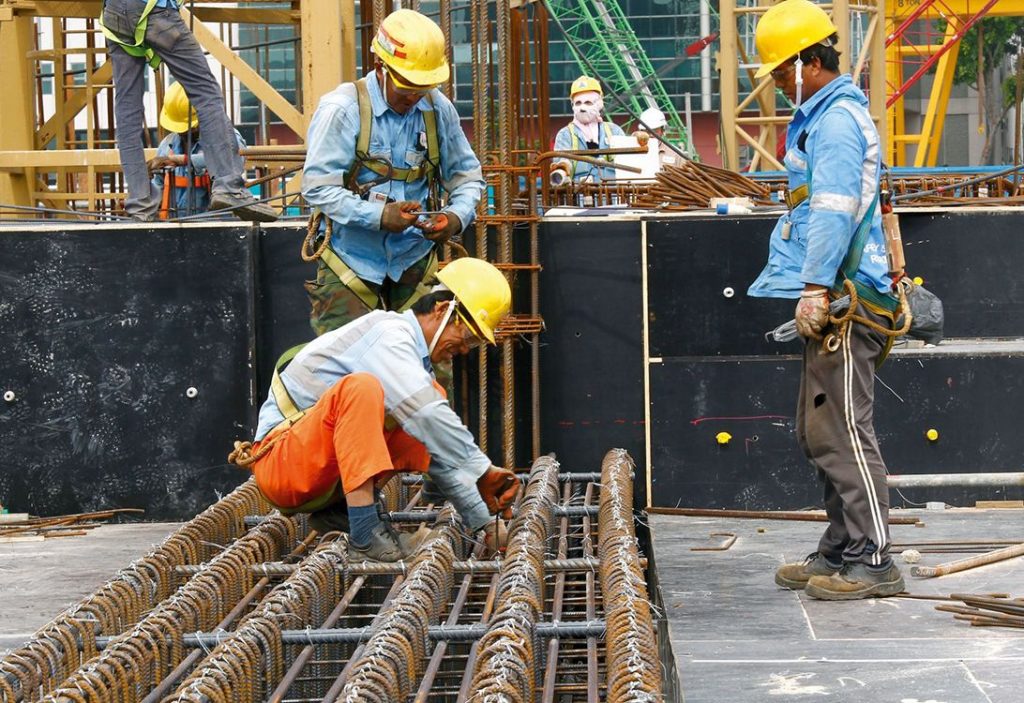
Site engineers capable of managing concrete pours, rebar installation, steel fabrication, and quality compliance are consistently offered sponsorship due to shortages in the UK. Project managers with structural background experience are seeing pay packets exceed £145,000, especially on Tier-1 contractor projects. Skilled trades such as steel fixers, shuttering carpenters, scaffolders and welders are also in high demand and frequently sponsored for immediate deployment.
Visa Sponsorship Pathways for Civil & Structural Workers
Civil and structural roles fall directly under the UK’s “substantial shortage occupations,” making visa sponsorship easier and faster. The Skilled Worker Visa is the most common route, covering structural engineers, civil engineers, project managers, site managers, and technical supervisors. Workers in specialist structural roles, such as formwork experts and reinforced concrete specialists, qualify for sponsorship under the same category.
Large international firms transferring engineers from foreign offices utilise the Global Business Mobility Visa. Temporary Worker Visas are sometimes used for urgent reinforcement projects, bridge refurbishments or high-priority infrastructure repairs. Because structural safety is a legal requirement, employers must fill these roles quickly — which is why sponsorship is offered without hesitation to qualified foreign workers.
Salary Packages and Bonuses for Civil & Structural Construction Professionals
Civil and structural workers earn far more than the advertised salary because of the additional allowances included in their contracts. Typical base pay ranges from £120,000 to £148,000, depending on seniority and location. Overtime, weekend work, shift allowances and project bonuses can push total yearly earnings well above £160,000.
Many employers also provide private medical insurance, pension contributions, transport reimbursements, productivity bonuses, meal allowances, and safety gear provision. Structural engineers overseeing high-risk building phases — particularly lifting operations, load testing or heavy concrete works — receive additional hazard pay and premium benefits.
Free Housing, Relocation and Family Settlement Support
Companies know that relocating a civil or structural worker is a major commitment, which is why they offer comprehensive relocation support. New arrivals typically receive employer-funded housing for their first 4 to 12 weeks. Some contractors offer subsidised long-term accommodation, shared construction housing, or rent contribution schemes near project locations.
Relocation packages can include paid flights, luggage shipping, airport pickup, temporary transport arrangements, and visa-processing support for families. Dependants may join under the Skilled Worker Visa pathway, and companies often help workers settle their children into nearby schools. This level of support significantly reduces relocation stress and allows workers to integrate smoothly into their new role and community.
Key Skills and Certifications Needed to Secure £148,000 Civil & Structural Roles
Foreign workers must demonstrate technical competence, site-safety awareness and verifiable qualifications. UK employers expect civil and structural engineers to hold degrees or equivalent certifications such as international NVQ Level 3 or Level 6 equivalents.
For site-based roles, a CSCS card is mandatory, while supervisors require SSSTS or SMSTS certification. Crane-related operations require CPCS cards, and many firms prefer NEBOSH-certified staff for structural safety oversight. CAD and BIM modelling skills also significantly increase earning potential, especially for structural engineers involved in design approvals or technical audits.
Top UK Employers Sponsoring Civil & Structural Construction Workers
Major Tier-1 construction firms like Skanska, Balfour Beatty, Morgan Sindall, Laing O’Rourke, BAM Nuttall and Kier Group frequently hire structural and civil professionals from abroad. Engineering consultancies such as Arup, AECOM, Mott MacDonald and WSP continue to sponsor foreign specialists for long-term infrastructure development projects.
Companies working on high-rise structural steel installations, bridge reinforcement contracts, water infrastructure upgrades, airport expansions and large-scale motorway projects also sponsor workers in specialist roles like steel fixing, shuttering carpentry, concrete supervision and formwork installation.
How to Apply and Secure Visa-Sponsored Civil & Structural Jobs
The first step is creating a UK-formatted CV that emphasises civil engineering experience, structural project supervision, safety compliance and project coordination achievements. Applicants must then verify their foreign qualifications using the UK ENIC system.
Next, workers should target licensed sponsor employers directly through LinkedIn Jobs, the UK Government sponsor list, or company career pages. Interviews typically involve scenario-based questions about structural design, risk mitigation, material selection, reinforcement details, and on-site problem-solving. Once selected, employers issue the Certificate of Sponsorship required for the Skilled Worker Visa application.
Career Growth and Promotion Pathways for Civil & Structural Workers
Civil and structural workers enjoy significant career mobility in the UK. Engineers may progress into senior design roles, project engineering, construction management, and eventually into regional lead positions. Site-based workers such as shuttering carpenters and steel fixers can rise to become supervisors, forepersons, or safety coordinators within a few years.
Structural specialists with strong communication and leadership abilities can grow into roles such as Construction Manager, Lead Structural Engineer, Senior Site Engineer, or Project Director. Many long-term workers secure Indefinite Leave to Remain (ILR), allowing permanent settlement.
Why Civil & Structural Construction Remains One of the Best Routes Into the UK
With billions of pounds allocated for new infrastructure, the UK will continue experiencing shortages in civil and structural roles for the next decade. The push for greener buildings, safer bridges, advanced water systems and smarter cities ensures ongoing demand for skilled foreign professionals.
Foreign workers seeking high salaries, stable visa pathways, housing assistance and long-term residency opportunities will continue finding civil and structural construction one of the strongest and most rewarding pathways into the UK workforce.


 Ryan
Ryan