 Ryan
RyanWhy Germany Needs Foreign Heavy Equipment Operators
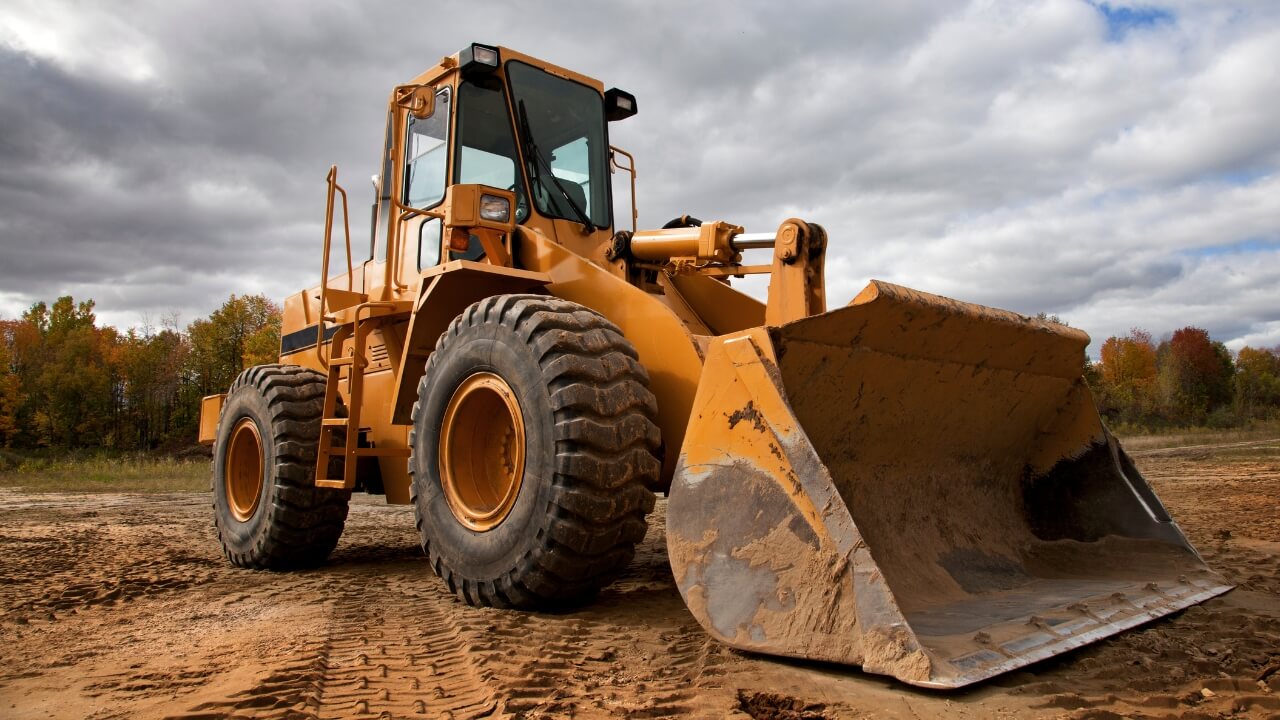
Germany’s construction industry is expanding fast. New infrastructure, highways, bridges, and renewable energy projects are creating a demand for skilled workers that the local workforce can’t meet alone. One of the most urgent shortages? Heavy equipment operators — professionals who handle cranes, excavators, bulldozers, and loaders.
To keep projects moving, German employers are now offering visa sponsorships for experienced operators from abroad. For international workers, this means access to stable jobs, strong salaries, paid housing, and clear routes to permanent residency in one of Europe’s most advanced economies.
What Heavy Equipment Operators Do
Heavy equipment operators are the muscle behind every major construction project. In Germany, they work on public roads, commercial sites, and renewable energy developments like wind farms and solar parks. Their daily work includes:
- Operating cranes, excavators, bulldozers, and forklifts.
- Maintaining and inspecting heavy machinery.
- Loading and transporting materials.
- Supporting site engineers and safety teams.
Because of Germany’s strict safety and engineering standards, skilled operators are highly respected and well-paid.
Salaries and Benefits for Sponsored Operators
Salaries for heavy equipment operators in Germany vary based on region, experience, and certification level.
- Entry-Level Operators: Earn between €35,000 and €45,000 per year.
- Experienced Operators: Make €45,000 to €60,000 annually.
- Supervisory Roles: Can reach €70,000 with overtime and bonuses.
In addition to salary, sponsored workers often receive:
- Free or subsidized accommodation near work sites.
- Health and accident insurance (required under German labor law).
- Paid relocation or travel costs.
- German language training funded by employers.
- Overtime bonuses and pension contributions.
These benefits make Germany one of the best destinations for construction professionals seeking security and career growth.
Visa and Sponsorship Pathways for Construction Workers
Germany offers several immigration routes for construction and trades workers:
- EU Blue Card: For professionals with formal training and experience in high-demand occupations.
- Skilled Worker Visa: The most common route for construction and machinery operators.
- Work Visa for Qualified Professionals (2023 Update): Allows recognized trade certificates from abroad.
- Vocational Recognition Pathway: For workers who need to validate foreign qualifications before working full-time.
Employers usually handle the sponsorship and visa paperwork once they extend a job offer.
Job Opportunities Across German Regions
The need for equipment operators is nationwide, but demand is strongest in certain regions:
- Bavaria (Munich, Nuremberg): High-paying roles in road and housing construction.
- North Rhine-Westphalia: Heavy industrial projects needing excavator and crane operators.
- Berlin and Hamburg: Urban development and commercial construction.
- Saxony and Brandenburg: Renewable energy projects — solar, wind, and recycling plants.
These regions often provide relocation support, and employers assist with settling into German communities.
Required Skills and Certifications
To qualify for sponsorship, workers need:
- Proven experience operating construction machinery.
- A valid driver’s license (EU Class C or equivalent).
- Basic safety and maintenance training.
- Intermediate English or basic German skills (A2/B1 level).
Many German employers provide free on-site training to meet national safety standards once workers arrive.
Step-by-Step Guide to Apply for Sponsorship Jobs
Step 1: Prepare your international resume (CV) focusing on heavy equipment experience.
Step 2: Get your trade qualifications assessed through Germany’s “Recognition in Germany” portal.
Step 3: Search for jobs through:
- Bundesagentur für Arbeit (German Federal Employment Agency)
- EURES (EU Job Mobility Portal)
- Global job boards such as Indeed or Glassdoor Germany
Step 4: Apply to employers with valid sponsorship licenses.
Step 5: After receiving a job offer, submit your visa application through the German consulate.
Step 6: Once approved, relocate to Germany with your employer’s relocation support.
Pathways to Permanent Residency in Germany
One of the most attractive aspects of working in Germany is the ability to transition from temporary work visas to permanent residency.
- Workers can apply for permanent residency after four to five years of continuous employment.
- Those on an EU Blue Card can qualify after just 33 months (or 21 months with German language proficiency).
- Permanent residents can later apply for German citizenship after six to eight years.
This makes construction sponsorship jobs not just employment opportunities but a foundation for long-term settlement in Europe.
Life as a Construction Worker in Germany
Germany offers an excellent quality of life for immigrant workers. With strong wages, paid holidays, free healthcare, and affordable public transport, workers can save money while living comfortably.
Many cities also have strong immigrant networks, especially from Eastern Europe, Africa, and Asia — making integration easier. With Germany’s focus on safety, workers benefit from regulated hours and overtime pay, reducing burnout common in other countries.
Future Growth and Industry Stability
Germany’s 2030 Infrastructure and Green Energy Plan will continue driving construction demand for the next decade. Skilled operators, welders, and technicians will remain in short supply. This means sponsored foreign workers will continue to enjoy job security and salary growth for years to come.
For those seeking a long-term, stable career with visa sponsorship, the construction industry in Germany offers unmatched opportunities.
Conclusion
Germany is welcoming skilled heavy equipment operators from around the world. With strong salaries, employer sponsorships, relocation support, and clear residency pathways, these roles are among the most rewarding for construction workers abroad.
Whether you’re operating excavators, cranes, or bulldozers, Germany offers the tools to build a secure and prosperous future — literally and figuratively.

 Ryan
Ryan